Usui Reiki
Developed by Dr. Mikao Usui in the early 20th century in Japan. It is based on the idea that a universal life force energy flows through all living things, and that this energy can be channelled to promote healing, balance, and well-being.
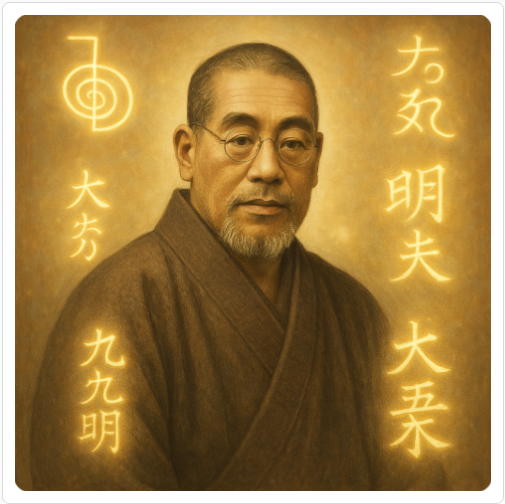
Usui Reiki is a form of energy healing that originated in Japan in the early 20th century, developed by Mikao Usui. It is based on the idea that a universal life force energy flows through all living things, and that this energy can be channeled to promote healing, balance, and well-being.
What Is Usui Reiki?
The practice is typically taught in three levels:
Usui Reiki is a hands-on healing technique where the practitioner places their hands lightly on or just above the recipient’s body. The goal is to transfer universal energy to support the body’s natural healing processes. It is non-invasive, gentle, and often deeply relaxing.
- Level I (Shoden) – Focuses on self-healing and healing others through touch.
- Level II (Okuden) – Introduces symbols and distance healing.
- Level III (Shinpiden or Master Level) – Deepens spiritual practice and teaches how to attune others.
Benefits of Usui Reiki
While scientific evidence is still developing, many people report a wide range of benefits from Reiki, including:
Physical Benefits
- Reduces stress and promotes deep relaxation
- Eases pain and tension in the body
- Supports recovery from illness or surgery
- Improves sleep quality
Mental & Emotional Benefits
- Calms anxiety and emotional distress
- Enhances mental clarity and focus
- Promotes emotional balance and resilience
- Helps release trauma and negative patterns
Spiritual Benefits
- Deepens self-awareness and intuition
- Encourages a sense of inner peace and connection
- Supports spiritual growth and mindfulness
Who Can Benefit from Reiki?
Reiki is suitable for people of all ages and backgrounds. It can be used alongside conventional medical treatments and other therapies. Many people turn to Reiki during times of stress, illness, or personal transformation. It has been shown to help with:
Pain Management
- Reiki has been found to help reduce chronic pain, especially in conditions like fibromyalgia and cancer-related pain
Anxiety and Depression
- Studies suggest Reiki can significantly reduce anxiety and depressive symptoms, particularly in patients undergoing medical treatments or experiencing chronic stress
Sleep Disorders
- Reiki has been associated with improved sleep quality, likely due to its calming and stress-reducing effects
Quality of Life
- A 2025 meta-analysis of randomized controlled trials found that Reiki therapy significantly improved overall quality of life, especially in:
- Cancer patients
- Surgical patients
- People with chronic illnesses
- The general population receiving regular or acute Reiki sessions
Fatigue and Stress
- Reiki has been reported to reduce fatigue, particularly in patients undergoing chemotherapy or recovering from surgery
Emotional Well-being
- It may help with emotional regulation, grief, and trauma recovery, although more research is needed in these areas.
Notes on the Evidence
- Most studies support Reiki as a complementary therapy, not a replacement for medical treatment.
- The placebo effect and the relaxation response may play roles in the benefits observed.
- Reiki is generally considered safe, with no known adverse effects.